Calf Raises — Build Impressive Lower Legs with Progressive Loading
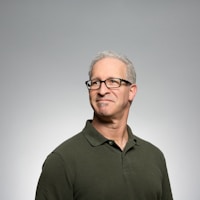
Sports Biomechanics Researcher
Dr. Marcus Chen holds a PhD in Biomechanics from Stanford University and is a Certified Strength and Conditioning Specialist (CSCS). He spent 8 years at the US Olympic Training Center analyzing athlete movement patterns before joining SportsReflector as Head of Sports Science. His research on computer vision applications in athletic training has been published in the Journal of Sports Sciences and the International Journal of Sports Physiology and Performance.
Develop complete lower legs with the calf raise. This guide covers standing and seated variations, frequency, full range of motion, and AI coaching from SportsReflector for calf development.
Analyze your form with AI
Calf Raises: The Complete Guide to Lower Leg Development
Calves are notoriously difficult to develop — a fact that frustrates every lifter who has trained them faithfully but seen minimal growth. The difficulty is real and has biomechanical and physiological basis, but it doesn't mean the calves can't be developed with the right approach. Understanding the anatomy, applying appropriate frequency and range of motion, and using progressive loading transforms calf training from a frustrating afterthought into a genuine developmental focus.
Calf Anatomy: Two Muscles, Two Exercises
The "calf" comprises two primary muscles with different attachment points:
Gastrocnemius: The larger, most visible calf muscle. Crosses both the knee and the ankle. It is most actively loaded when the knee is straight — which is why the standing calf raise (straight knee) primarily targets the gastrocnemius.
Soleus: The deeper calf muscle that sits beneath the gastrocnemius. Crosses only the ankle, not the knee. It is most actively loaded when the knee is bent — which is why the seated calf raise (bent knee) primarily targets the soleus.
Complete calf development requires both standing and seated calf raises — training both the gastrocnemius and the soleus.
Standing Calf Raise Technique
Setup: Stand on the edge of a calf raise machine, heel platform, or step with the balls of the feet on the edge and the heels hanging below the edge.
Starting position: Heels below the edge of the platform — full stretch position. This is non-negotiable for calf development. Performing calf raises starting from a neutral position (not the lowest stretch) cuts the range of motion in half and significantly reduces the growth stimulus.
The raise: Push through the balls of the feet, rising as high as possible onto the toes. At the top, the heel should be as high as possible above the platform level. Hold for 1 second.
The descent: Lower slowly (3 seconds) back to maximum stretch — heels hanging below the platform level. Pause at the bottom for 1 second to eliminate the bounce that many lifters use to cheat the stretch.
Why full range matters so much for calves: The gastrocnemius and soleus are composed of a higher proportion of slow-twitch muscle fibers than most other muscles. These fibers respond best to high-volume, full-range-of-motion work with strong stretch stimulus. Cutting the range of motion is the primary reason most calf training fails to produce results.
Seated Calf Raise Technique
Setup: Sit on a seated calf raise machine or place a barbell on the thighs. Balls of the feet on the edge, heels hanging below.
Important difference from standing: The soleus (primary target when seated) has poor aerobic capacity and fatigues quickly, responding well to high reps. Seated calf raises are typically performed in higher rep ranges (15–30) than standing.
Execution: Same full-stretch-to-peak-contraction protocol as standing. The seated position forces the knee to remain bent, ensuring soleus (rather than gastrocnemius) dominance.
Programming Calves
Frequency: Calves respond to high frequency because their fiber type composition recovers quickly. Training calves 3–5 times per week produces better results than 1–2 times. Many experienced trainers include calf work in every lower body session plus some upper body sessions.
Volume: 4–6 sets per session, 12–20 reps for standing, 15–30 reps for seated.
Progressive overload: Add load systematically. Most calf machines can be loaded significantly — don't plateau at the same weight indefinitely.
The stretch emphasis: At every session, prioritize the bottom stretch position. This loaded stretch is the most growth-producing element of calf training.
FAQs: Calf Raises
Q: Why don't my calves grow despite training them regularly? A: The three most common reasons: insufficient range of motion (not achieving full stretch at the bottom), insufficient frequency (calves need 3–5x weekly stimulus), and insufficient progressive load (staying at the same weight indefinitely). Address all three simultaneously.
Q: Can I build calves without machines? A: Yes. Bodyweight calf raises on a step or curb with full range of motion, or single-leg calf raises (which add load through bodyweight leverage), are effective. Progress to loaded variations (weighted backpack, dumbbells) for continued development.
LEGS POST 8
Analyze Your Legs Form with AI — Free
SportsReflector uses computer vision to score your technique across every gym exercise and 20+ sports. Get instant feedback on form, symmetry, and injury risk — directly from your iPhone.
Frequently Asked Questions
The three most common reasons: insufficient range of motion (not achieving full stretch at the bottom), insufficient frequency (calves need 3–5x weekly stimulus), and insufficient progressive load (staying at the same weight indefinitely). Address all three simultaneously.
Yes. Bodyweight calf raises on a step or curb with full range of motion, or single-leg calf raises (which add load through bodyweight leverage), are effective. Progress to loaded variations (weighted backpack, dumbbells) for continued development.
About the Author
Sports Biomechanics Researcher
Dr. Marcus Chen holds a PhD in Biomechanics from Stanford University and is a Certified Strength and Conditioning Specialist (CSCS). He spent 8 years at the US Olympic Training Center analyzing athlete movement patterns before joining SportsReflector as Head of Sports Science. His research on computer vision applications in athletic training has been published in the Journal of Sports Sciences and the International Journal of Sports Physiology and Performance.
Ready to Try AI Coaching?
Download SportsReflector and experience the techniques discussed in this article with real-time AI feedback.
Download on App Store