Posture Correction Guide
Fix Your Posture, Transform Your Performance
Poor posture doesn't just look bad — it kills your workout performance, causes pain, and limits your potential. Learn how to identify postural issues and fix them with proven techniques and AI-powered form analysis.
Identify Issues
AI computer vision detects rounded shoulders, forward head posture, anterior pelvic tilt, and other alignment problems instantly.
Get Corrective Exercises
Receive targeted stretches and strengthening exercises designed to fix your specific postural imbalances.
Track Progress
Monitor your form improvements over weeks and months with objective AI measurements and visual feedback.
Complete Posture Correction Guide
Comprehensive articles covering every aspect of posture correction, from desk work to athletic performance.

Posture & Injury Prevention9 min read
How to Fix Rounded Shoulders: A Complete Guide to Better Posture
Rounded shoulders are one of the most common postural issues affecting adults today. Learn the root causes, best corrective exercises, and how AI-powered form analysis can verify you're doing them right.
Read Article

Posture & Injury Prevention9 min read
How to Fix Forward Head Posture: Exercises, Causes, and Long-Term Solutions
For every inch your head moves forward from its natural position, your neck muscles must support an additional 10 pounds of load. Learn how to identify, correct, and permanently fix forward head posture.
Read Article

Posture & Injury Prevention10 min read
How to Improve Your Posture While Working from Home
Remote work gave us back our commute time — and gave many of us chronic back pain and poor posture. Learn the ergonomic setup and daily exercises that actually fix work-from-home posture problems.
Read Article

Athletic Performance9 min read
Posture Correction for Athletes: Why Alignment Is the Foundation of Performance
Athletes obsess over training volume, nutrition, and recovery — but rarely over posture. Poor alignment quietly undermines everything else you do. Here's how to fix it.
Read Article
Athletic Performance9 min read
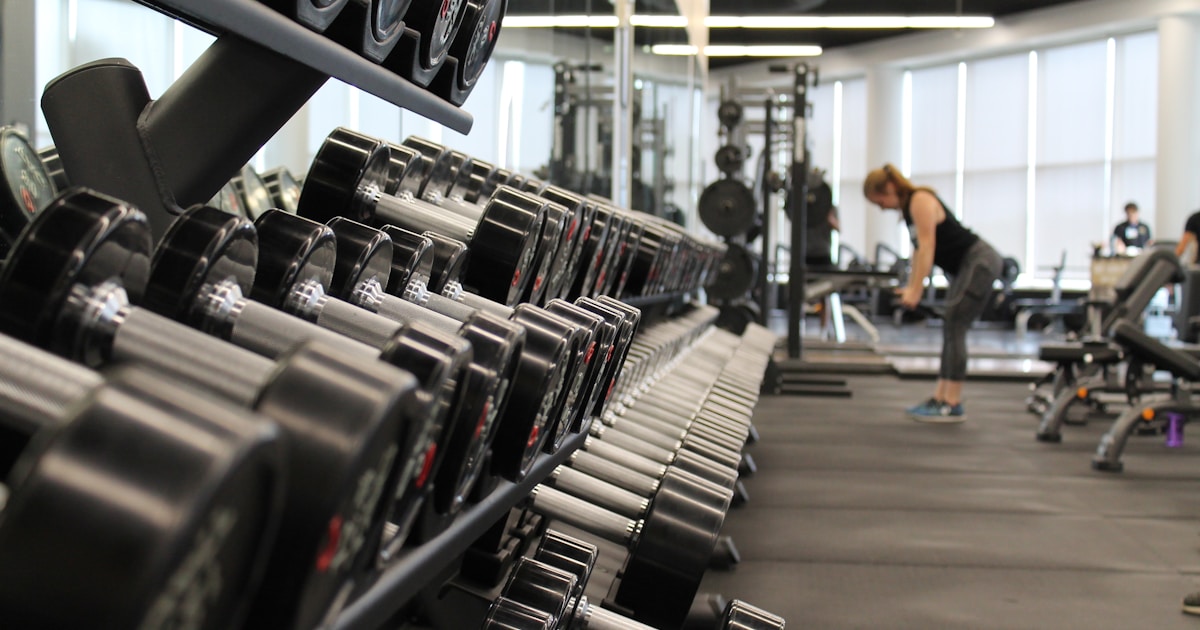
How Bad Posture Affects Your Workout Performance (And What to Do About It)
Your training is solid, your nutrition is dialed in, but progress has stalled. The culprit might be postural dysfunction silently sabotaging every rep. Here's how bad posture limits performance.
Read Article

Exercise Form9 min read
Fix Your Squat Posture: Common Mistakes and How to Correct Them
Squat posture mistakes are silent until they become injuries. Learn the 5 most common squat form faults, their root causes, and how AI-powered analysis identifies them before they cause damage.
Read Article

Posture & Injury Prevention9 min read
How to Fix Anterior Pelvic Tilt: The Hidden Posture Problem Wrecking Your Back
Anterior pelvic tilt is one of the most common postural deviations — and one of the most damaging. Learn to identify it, understand its causes, and fix it with targeted exercises.
Read Article

Running & Endurance10 min read
Posture Correction for Runners: How Alignment Affects Speed, Efficiency, and Injury Risk
Every stride transmits 2–3x your body weight through your musculoskeletal system. Your running posture determines how those forces are distributed — and whether they build you up or break you down.
Read Article

Technology & Innovation9 min read
How AI Technology Is Revolutionizing Posture Correction
For most of human history, posture correction required an expert observer. AI-powered pose estimation has changed that — making expert-level biomechanical analysis available to anyone with a smartphone.
Read Article

Exercise Form12 min read
The Complete Guide to Fixing Your Gym Posture: Every Major Lift, Corrected
Poor gym posture doesn't just cause injuries — it limits every rep you perform. This complete guide covers proper alignment for the five foundational barbell movements, with specific corrections for the most common faults.
Read Article
Frequently Asked Questions
What causes bad posture?
Bad posture typically results from muscular imbalances — tight anterior muscles (chest, front shoulders) combined with weak posterior muscles (upper back, rear shoulders). Desk work, phone use, and anterior-dominant training amplify this. Over time, your nervous system "learns" the poor position and defaults to it.
How long does it take to fix posture?
Most people see visible improvements within 6–8 weeks of consistent daily practice (10–15 minutes). However, complete postural retraining typically takes 3–6 months. The key is consistency and form quality — doing corrective exercises incorrectly reinforces the same patterns.
Can bad posture affect my workout performance?
Absolutely. Poor posture reduces force transfer, limits range of motion, and increases injury risk. For example, rounded shoulders reduce bench press strength, forward head posture compromises pull-up mechanics, and anterior pelvic tilt destabilizes your squat. Fixing posture often leads to immediate strength gains.
How does AI help with posture correction?
AI computer vision provides objective measurements of your alignment, joint angles, and symmetry. It detects subtle errors (like scapular shrugging or incomplete range) that you can't see yourself. This feedback loop accelerates correction and prevents regression.
Should I stretch or strengthen first?
Do both simultaneously. Stretching tight muscles reduces pain and improves range of motion. Strengthening weak muscles restores balance and stability. The combination is what fixes posture long-term. Neglecting either side leads to incomplete correction.
Can I fix posture without equipment?
Yes. Many corrective exercises use only bodyweight (wall angels, prone Y raises, scapular push-ups, glute bridges). However, resistance bands and light dumbbells accelerate progress. The most important factor is consistency and proper form — equipment is secondary.
Follow us on Instagram